The logistics and supply chain industry has become one of the fastest-growing sectors in India—powered by e-commerce, global trade, automation, and rising consumer expectations. Companies today need professionals who can manage complex operations, streamline processes, and improve efficiency across the value chain.
A PGDM in Logistics & Supply Chain Management equips students with precisely these capabilities. It builds strong logistics skills, enhances decision-making, and prepares professionals to manage procurement, inventory, warehousing, transportation, and distribution with confidence.
This blog explores the key skills you’ll gain through a PGDM in logistics and supply chain management, why they matter, and how they make you industry-ready.
1. Core Operations Management Skills
Operations management is the backbone of any supply chain. A PGDM program helps you understand how goods move from suppliers to consumers while keeping costs low and efficiency high.
You learn to:
- Plan and control day-to-day operations
- Optimize lead times and throughput
- Improve inventory cycles
- Streamline warehouse flow
- Reduce operational bottlenecks
These supply chain management skills help you design processes that improve productivity and overall business performance.
2. Procurement & Strategic Sourcing Skills
Procurement is more than just buying—it is about negotiation, vendor management, and cost optimization. PGDM students learn the strategic side of procurement that drives long-term business success.
Key competencies include:
- Supplier identification and evaluation
- Negotiation techniques
- Cost-benefit analysis
- Contract management
- Sustainable & ethical sourcing
These logistics skills ensure you make the right purchasing decisions that positively impact profitability.
3. Transportation & Distribution Management Skills
Transportation is one of the most critical functions in logistics. Delays can lead to customer dissatisfaction, revenue loss, and operational inefficiencies.
A PGDM strengthens your ability to:
- Plan transportation routes
- Reduce freight costs
- Coordinate multi-modal transport systems
- Manage last-mile delivery
- Understand global shipping documentation
This knowledge prepares you for high-demand roles such as transportation planner, distribution manager, or freight operations specialist.
4. Inventory & Warehouse Management Skills
Effective warehouse and inventory management directly contributes to business success. Students learn how to maintain optimal stock levels while minimizing holding costs.
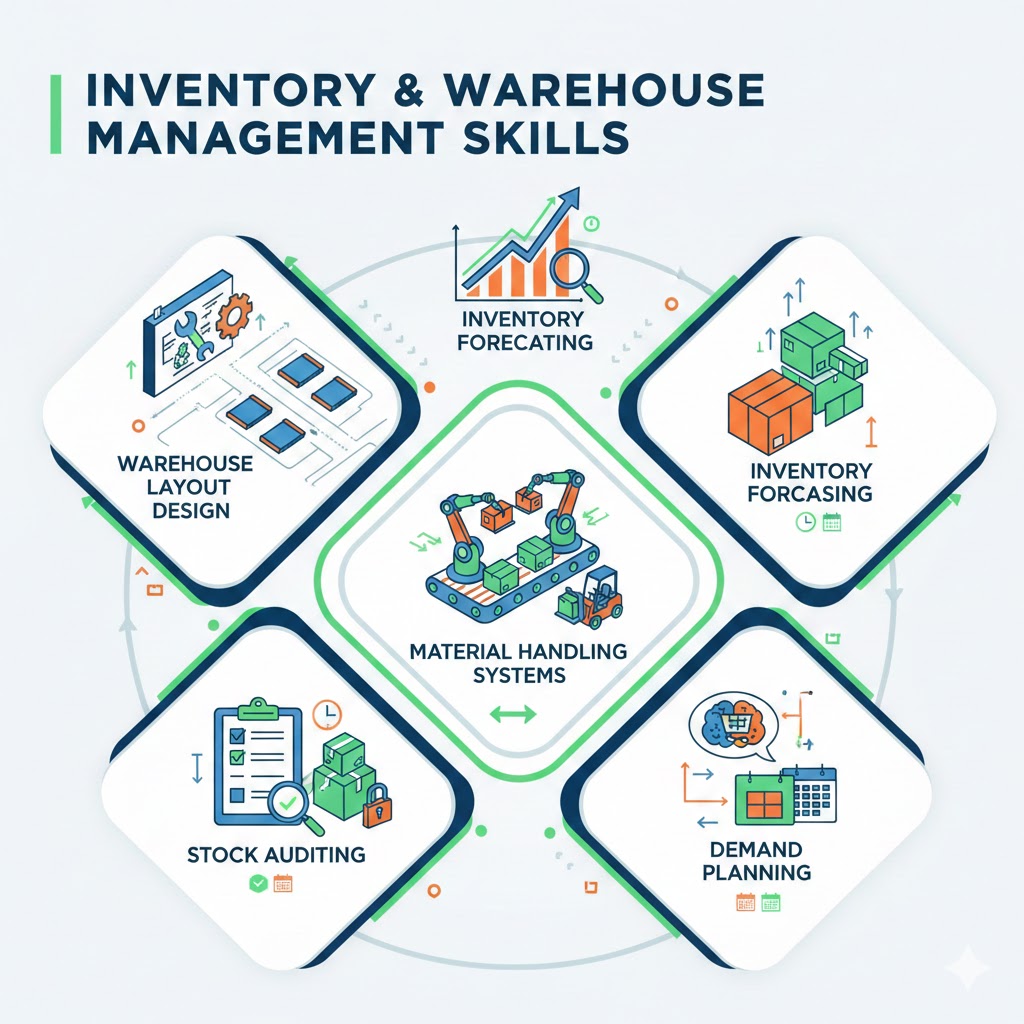
You gain skills in:
- Warehouse layout design
- Inventory forecasting
- Material handling systems
- Stock auditing
- Demand planning
With rising e-commerce and fast-moving supply chains, these skills are indispensable for maintaining smooth operations.
5. Data Analytics & Supply Chain Digitization Skills
Modern supply chains run on data. A PGDM program exposes you to the analytical tools needed to interpret data and use it for better decision-making.
You learn:
- Excel, ERP, and SCM software
- Basic data analytics
- Predictive demand forecasting
- KPI measurement & dashboarding
- Automation and digital transformation concepts
These supply chain management skills prepare you for roles that involve analytics-driven decision-making and technology-enabled process improvements.
6. Risk Management & Problem-Solving Skills
Supply chains face multiple challenges: delays, demand fluctuations, geopolitical risks, fuel price changes, and natural disruptions.
A PGDM teaches you how to identify risks early and develop contingency plans.
You gain abilities in:
- Risk identification and mapping
- Crisis management
- Supplier risk mitigation
- Demand and supply balancing
- Scenario-based planning
This strengthens your capability to minimize losses and maintain business continuity.
7. Leadership & Cross-Functional Management Skills
Supply chain roles require coordination with procurement teams, vendors, transporters, warehouse staff, finance, and sales teams.
A PGDM builds strong leadership qualities such as:
- Team collaboration
- Communication skills
- Conflict resolution
- Decision-making
- Stakeholder management
These soft skills are essential for managerial and senior-level positions.
8. Global Supply Chain & Trade Compliance Skills
With companies expanding globally, understanding international regulations and global supply networks is essential.
You gain expertise in:
- Import–export documentation
- Incoterms
- Custom regulations
- International logistics
- Global sourcing
This opens doors to international supply chain roles in MNCs, logistics companies, and global trade organizations.
9. Customer Relationship & Service Management Skills
Today’s customers expect speed, accuracy, and transparency.
A PGDM teaches you how to align logistics decisions with customer expectations.
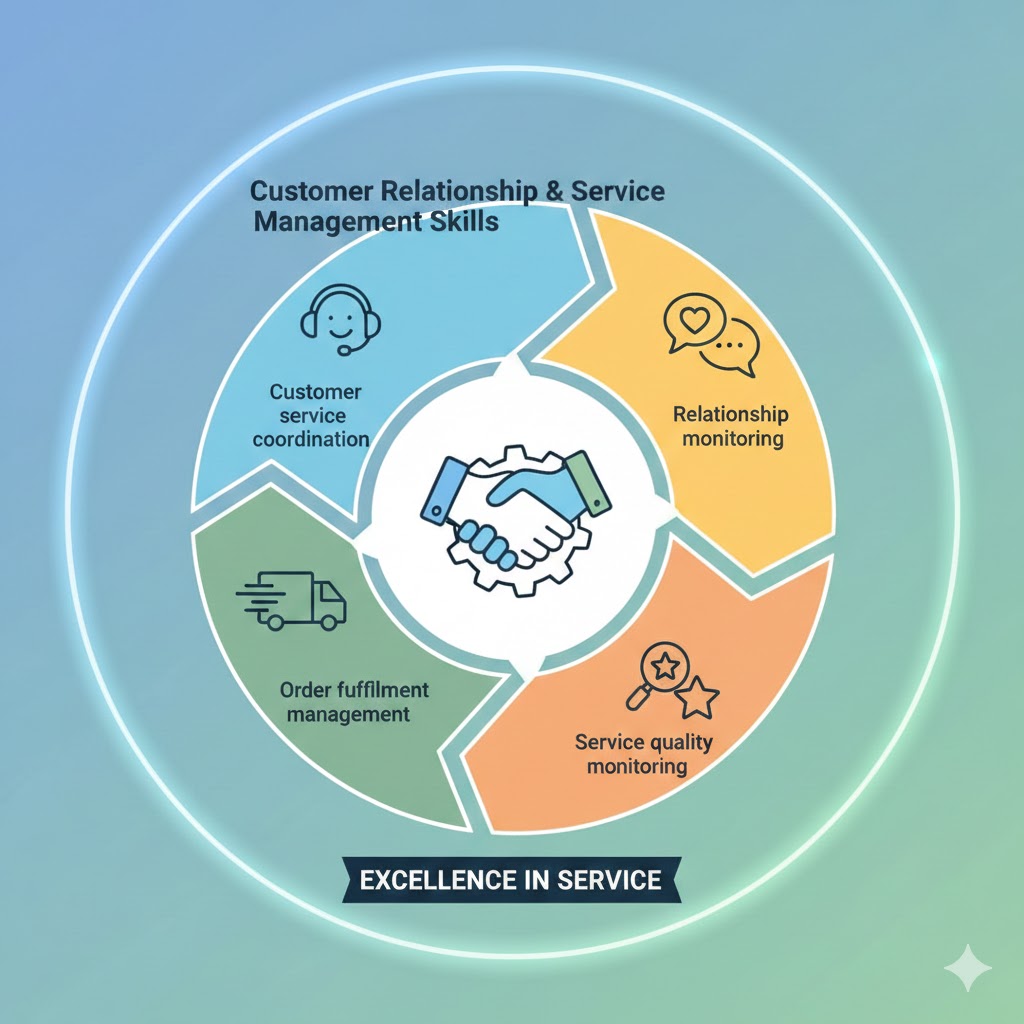
Skills you develop:
- Customer service coordination
- Order fulfillment management
- Service quality monitoring
- Relationship building
These skills help businesses retain customers and maintain long-term loyalty.
10. Technology & Automation Awareness
Automation is transforming supply chains—robotic warehouses, IoT devices, barcode automation, drone delivery, and AI-driven forecasting.
You develop awareness and technical understanding of:
- Warehouse automation systems
- Transport management systems (TMS)
- Warehouse management systems (WMS)
- IoT in logistics
- AI and robotics in supply chain
These future-ready skills make you stand out in a competitive job market.
🎓 Why Choose MITSDE for PGDM in Logistics & Supply Chain?
MITSDE (MIT School of Distance Education) is one of India’s leading institutions offering flexible and industry-oriented PGDM programs.
Its PGDM in Logistics & Supply Chain is designed with inputs from industry experts and covers all essential logistics skills and advanced supply chain management skills required by top companies.
What makes MITSDE the best choice?
- AICTE-approved PGDM
- Updated curriculum focused on real-world challenges
- 24/7 LMS access
- Industry-oriented case studies
- Placement support & career mentoring
- Flexible learning ideal for working professionals
Whether you’re a fresher or a working professional, MITSDE helps you upskill and advance your career in the fast-growing logistics sector.
❓ FAQs
1. What skills are required for logistics and supply chain management?
Ans. Key skills include operations management, procurement, transportation planning, analytics, warehousing, inventory management, and risk management.
2. Is a PGDM in Logistics and Supply Chain good for freshers?
Ans. Yes, freshers can build strong industry skills and secure entry-level roles in logistics, warehousing, operations, procurement, and distribution.
3. What job roles can I get after completing the PGDM?
Ans. You can work as Supply Chain Analyst, Logistics Coordinator, Procurement Executive, Warehouse Manager, Transport Planner, Operations Manager, etc.
4. Why is analytics important in supply chain management?
Ans. Analytics helps in forecasting, cost reduction, performance improvement, and better decision-making.
5. Does MITSDE offer placement assistance?
Ans. Yes, MITSDE provides placement support, career guidance sessions, and industry-aligned training to help learners secure suitable roles.