
Why Your Business Needs a Marketing Funnel
As an entrepreneur or startup founder, you always look for ways to grow your business and attract more customers. But have you ever considered the importance of creating and following a marketing funnel? If not, you might miss out on a powerful tool that can transform your marketing efforts and boost your bottom line.
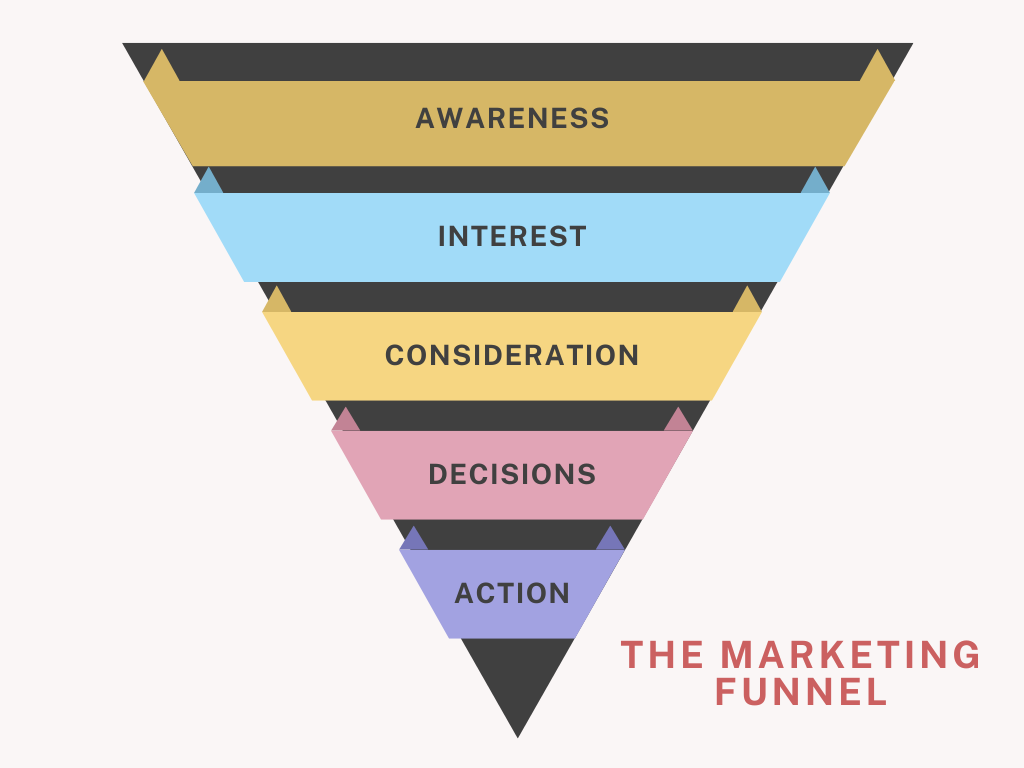
A marketing funnel is a strategic approach guiding potential customers from awareness to purchase. It’s a step-by-step process that helps you understand and nurture your audience, leading to more conversions and loyal customers. In this blog post, we’ll explore why marketing funnels are crucial for your business success and how you can create and implement one effectively.
Understanding the Marketing Funnel Stages
Before we dive into the importance of marketing funnels, let’s break down the different stages that make up this powerful tool:
1. Awareness
At the top of the funnel, we have the awareness stage. This is where potential customers first become aware of your brand, product, or service. Your goal here is to capture their attention and make a memorable first impression.
2. Interest
Once you’ve caught their eye, it’s time to pique their interest. In this stage, you provide valuable information that keeps your audience engaged and wants to learn more about your offer.
3. Consideration
Potential customers enter the consideration stage as they move further down the funnel. Here, they’re actively comparing your offering to alternatives and weighing their options.
4. Decision
The decision stage is where the magic happens. This is when your prospect is ready to make a choice, and your job is to provide that final push to convince them that your product or service is the best solution.
5. Action
At the bottom of the funnel, we have the action stage. This is where the prospect becomes a customer by purchasing or taking the desired action.
The Benefits of Creating and Following a Marketing Funnel
Now that we understand the stages of a marketing funnel let’s explore why it’s so crucial for entrepreneurs and startups to create and follow one:
1. Improved Customer Understanding
You better understand your customers’ journey by mapping out your marketing funnel. This insight allows you to tailor your marketing efforts to meet their needs at each stage, resulting in more effective communication and higher conversion rates.
2. Targeted Marketing Efforts
A well-defined marketing funnel helps you create targeted content and campaigns for each stage. This means you’re not wasting resources on generic messaging that may not resonate with your audience. Instead, you can deliver the right message to people at the right time.
3. Increased Conversion Rates
When you guide potential customers through a carefully crafted funnel, you’re more likely to convert them into paying customers. By addressing their needs and concerns at each stage, you build trust and credibility, making it easier for them to say “yes” when purchasing.
4. Better Resource Allocation
Understanding your marketing funnel allows you to allocate your resources more effectively. You can focus your efforts on the stages that need the most attention, whether it’s building awareness or improving your conversion rate at the decision stage.
5. Improved Customer Retention
A good marketing funnel continues beyond the purchase. You can focus on customer retention and encourage repeat business by including post-purchase stages in your funnel. This can increase customer lifetime value and a more substantial, loyal customer base.
Creating Your Marketing Funnel: A Step-by-Step Guide
Now that you’re convinced of the importance of marketing funnels let’s walk through the process of creating one for your business:
1. Define Your Target Audience
2. Map Out the Customer Journey
3. Create Content for Each Stage
4. Implement Lead Nurturing Strategies
5. Optimize Your Website
6. Measure and Analyze Results
Learn all the funnel insights in the online PGCM Digital Marketing course at MITSDE.
Real-World Success Stories: Marketing Funnels in Action
Country Delight has successfully navigated all marketing funnel stages through a series of well-executed campaigns. At the top of the funnel, they focused on raising awareness and attracting a broad audience by leveraging social media platforms and digital advertising. They utilized engaging content, such as informative videos about their farm-to-home delivery process and the health benefits of their products. Influencer collaborations and customer testimonials also played a significant role in building trust and interest among potential customers.
By creating a strong online presence and utilizing data-driven targeting strategies, Country Delight effectively captured the attention of a wide range of consumers, driving significant traffic to their website and social media pages.
As potential customers moved down the funnel, Country Delight ensured consistent engagement and nurturing to drive conversions. They implemented personalized email marketing campaigns, offering special discounts and highlighting product benefits tailored to individual preferences. Interactive content, such as quizzes to find the best products for specific needs and customer stories, further fostered a deeper connection with the audience.
Country Delight provides exceptional customer service and flexible subscription plans to convert leads into loyal customers. Post-purchase, they continued to engage customers with follow-up emails, feedback surveys, and loyalty programs. This holistic approach increased their customer base and enhanced customer retention and advocacy, effectively fulfilling all stages of the marketing funnel.
Conclusion: MITSDE’s Online PGCM in Digital Marketing
In conclusion, the power of a well-structured marketing funnel must be balanced for entrepreneurs and startups aiming to scale their businesses effectively. Companies can significantly enhance their customer acquisition and retention strategies by understanding and implementing the stages of the marketing funnel, from awareness to action. Country Delight’s success story exemplifies the impact of strategic funnel management, showcasing how targeted campaigns and consistent engagement can lead to substantial growth and customer loyalty.
To achieve similar results, businesses must create tailored content, nurture leads, and optimize their marketing efforts based on customer behavior and feedback. The comprehensive approach outlined in this guide will enable you to build a robust marketing funnel that drives conversions and fosters lasting relationships with your customers. For those looking to deepen their knowledge and skills in digital marketing, MITSDE’s online PGCM in Digital Marketing offers an excellent opportunity to master these concepts and stay ahead in the competitive landscape.