Table of Contents
- Introduction: Why Personal Finance Matters in 2026
- Understanding Personal Finance
- Budgeting: The Foundation of Financial Health
- Saving and Investing Strategies in India
- Retirement Planning and Insurance
- Tax Planning and Debt Management
- Digital Tools for Personal Finance Management
- Personal Finance for Students and Young Professionals
- Role of Education: PGDM in Finance Management
- MITSDE: Leading the Way in Finance Education
- Conclusion: Your Roadmap to Financial Success
Introduction: Why Personal Finance Matters in 2026
In today’s fast-paced world, managing your finances is no longer optional; it is essential. By 2026, India’s financial landscape is expected to be more dynamic, with increased access to digital banking, investments, and fintech solutions. Personal post graduate diploma in finance management helps individuals make informed decisions, achieve financial stability, and secure their future. Whether it’s saving for retirement, investing in the stock market, or managing daily expenses, effective financial planning is the key to success.
Understanding Personal Finance
Personal finance is the practice of managing your money to achieve short-term and long-term financial goals. It encompasses budgeting, saving, investing, tax planning, insurance, and retirement planning. Understanding your financial situation is the first step toward making informed decisions. Key components of personal finance include:
- Income: Your earnings from salary, business, or investments.
- Expenses: Day-to-day spending, bills, and discretionary costs.
- Savings: Money set aside for emergencies or future goals.
- Investments: Assets like stocks, bonds, or mutual funds that grow wealth over time.
- Debt: Loans or credit obligations that need careful management.
Budgeting: The Foundation of Financial Health
Budgeting is the cornerstone of personal finance. A well-structured budget helps track income and expenses, identify unnecessary spending, and prioritize financial goals. Popular budgeting methods include:
- 50/30/20 Rule: Allocate 50% of income to essentials, 30% to discretionary spending, and 20% to savings or investments.
- Zero-Based Budgeting: Every rupee is assigned a purpose, ensuring full control over finances.
- Envelope System: Physical or digital envelopes for categories like groceries, bills, and entertainment.
Budgeting is not just about limiting spending; it is about creating a roadmap that ensures your money works for you.
Saving and Investing Strategies in India
Effective saving and investing are crucial to building wealth. In India, there are numerous options tailored to different risk profiles and goals:
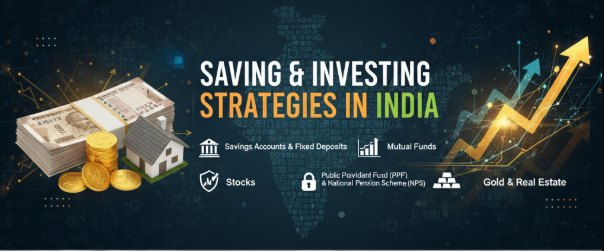
- Savings Accounts & Fixed Deposits: Low-risk options for capital protection.
- Mutual Funds: Ideal for long-term growth; includes equity, debt, and hybrid funds.
- Stocks: Offer higher returns but require research and risk tolerance.
- Public Provident Fund (PPF) & National Pension Scheme (NPS): Tax-efficient options for long-term investment.
- Gold & Real Estate: Traditional assets that hedge against inflation.
A smart strategy involves diversifying your portfolio to balance risk and reward, aligning investments with your financial goals.
Retirement Planning and Insurance
Planning for retirement is often overlooked, yet it is vital. With life expectancy increasing, ensuring a secure and comfortable retirement is essential. Steps include:
- Retirement Accounts: NPS, EPF, and private pension schemes.
- Insurance: Life and health insurance safeguard against unforeseen events, providing financial security for you and your family.
- Inflation Planning: Account for rising costs to maintain your lifestyle post-retirement.
The sooner you start, the more compounding works in your favor, making early planning critical.
Tax Planning and Debt Management
Efficient tax planning can save significant money, while debt management ensures financial stability:
- Tax Planning: Utilize deductions under sections like 80C, 80D, and 24(b) of the Income Tax Act. Investments in PPF, NPS, and ELSS funds are both tax-saving and wealth-building.
- Debt Management: Avoid high-interest debt from credit cards or personal loans. Prioritize paying off debts systematically using methods like the avalanche or snowball technique.
Combining tax-efficient investing with disciplined debt repayment enhances overall financial health.
Digital Tools for Personal Finance Management
Technology has transformed personal finance management. Digital tools offer convenience, automation, and insights:
- Expense Tracking Apps: Track spending in real-time. Examples: Walnut, Money View, and Mint.
- Investment Platforms: Grow wealth with automated investment options like Groww, Zerodha, or Upstox.
- Robo-Advisors: Provide AI-driven financial advice for goal-based investing.
- Online Banking & UPI: Simplify payments, bill management, and fund transfers.
Leveraging these tools improves financial discipline, transparency, and efficiency.
Personal Finance for Students and Young Professionals
For students and young professionals, building strong financial habits early is crucial:
- Start Saving Early: Even small amounts can compound significantly over time.
- Emergency Fund: Maintain at least 3–6 months of expenses for unexpected events.
- Invest in Learning: Courses like PGDM in Finance can enhance knowledge and career opportunities.
- Avoid Impulse Debt: Limit credit card usage and high-interest loans.
Smart financial habits during these years lay the foundation for long-term wealth creation and financial independence.
Role of Education: PGDM in Finance Management
Pursuing advanced education in finance provides the knowledge and skills needed to manage personal and professional finances effectively. Programs like PGDM in Finance Management or PG Diploma in Finance courses equip students with insights into investment strategies, risk management, corporate finance, and taxation.
Benefits include:
- Expert Knowledge: Learn advanced financial planning, budgeting, and investment techniques.
- Career Advancement: Positions in banking, financial analysis, corporate finance, and advisory roles.
- Networking Opportunities: Connect with industry professionals and mentors.
- Practical Skills: Case studies, simulations, and real-world projects improve decision-making abilities.
With specialized education, individuals not only manage their personal finances better but also contribute effectively to organizational financial success.
MITSDE: Leading the Way in Finance Education
MITSDE stands out as a premier institute offering PGDM in Finance in Pune, PGDM in Finance in Hyderabad, and Top Distance PGDM Finance programs. Their curriculum is designed to combine theoretical knowledge with practical applications, enabling students to excel in finance management roles.
Highlights of MITSDE’s finance programs:
- Flexibility: Online and distance learning options cater to working professionals and students alike.
- Industry-Relevant Curriculum: Covers corporate finance, risk management, investment strategies, and financial technology.
- Expert Faculty: Learn from experienced professionals and academic experts.
- Career Support: Guidance for placements, internships, and skill enhancement.
For anyone aspiring to gain advanced financial knowledge while managing personal finances effectively, MITSDE provides an ideal learning environment. Their programs are recognized as among the top PG diploma in finance, offering a perfect blend of quality education and practical exposure.
Conclusion: Your Roadmap to Financial Success
Personal finance management in India in 2026 requires a proactive, informed, and strategic approach. By budgeting effectively, saving and investing wisely, planning for retirement, managing taxes and debt, and leveraging digital tools, individuals can secure financial stability and growth.
Education plays a vital role in enhancing financial literacy, and programs like PG Diploma in Finance Management, offered by leading institutes like MITSDE, provide the knowledge and skills necessary to make sound financial decisions.
Start today, plan for tomorrow, and make your money work for you. With the right strategies, tools, and education, financial success is well within reach.