In a world facing resource scarcity, climate change, and rising consumer expectations, sustainability is no longer a “nice-to-have.” It’s a business imperative. Enter sustainable materials management (SMM) — a forward-thinking approach transforming how businesses design, source, produce, and manage materials across the value chain.
But what is sustainable materials management really about? What are its different types? And why should professionals consider learning about it through a Post Graduate Diploma in Material Management? Let’s explore how SMM benefits businesses, society, and the environment.
📌 What Is Sustainable Materials Management?
Sustainable materials management is a systems-based approach to using and reusing materials more productively over their entire lifecycle. It focuses on conserving resources, reducing environmental impact, and increasing economic efficiency by changing the way materials are extracted, manufactured, consumed, and disposed of.
Traditional waste management often begins after a product’s life has ended. By contrast, SMM integrates sustainability into every stage: design, production, distribution, consumption, and end-of-life. The goal? Keep materials in the economy longer through recycling and reuse strategies and materials lifecycle management.
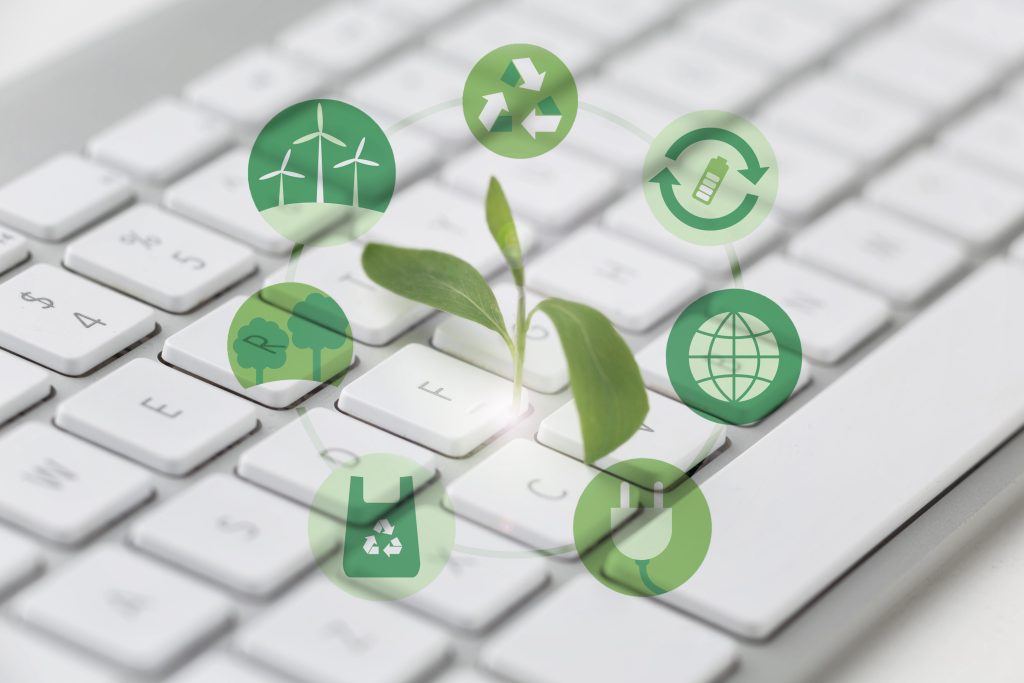
🔍 Why Does SMM Matter in Today’s World?
Resource consumption is growing faster than the planet can sustain. According to UNEP, global resource use could double by 2050 if current patterns continue. Businesses that fail to adapt risk increased costs, supply chain disruptions, and reputational damage.
By adopting sustainable materials management solutions, companies not only reduce their environmental impact but also future-proof operations, meet stakeholder expectations, and drive long-term profitability.
♻️ Types of Sustainable Materials Management
Let’s explore the main types of sustainable materials management, each offering unique opportunities for businesses and professionals:
✅ Sustainable Resource Management
Involves smarter extraction and efficient use of raw materials to reduce waste and extend resource life.
✅ Sustainable Waste Management
Goes beyond disposal, focusing on preventing waste through reduction, reuse, and recycling.
✅ Green Supply Chain
Applies environmental principles throughout sourcing, production, logistics, and distribution to minimize carbon footprint.
✅ Eco-Friendly Materials Sourcing
Prioritizes renewable, biodegradable, or recyclable materials to reduce environmental harm.
✅ Sustainable Supply Chain Practices
Combines SMM with ethical labor, energy efficiency, and process optimization across the supply chain.
These strategies form the backbone of modern sustainable supply chain consulting and corporate sustainability programs.
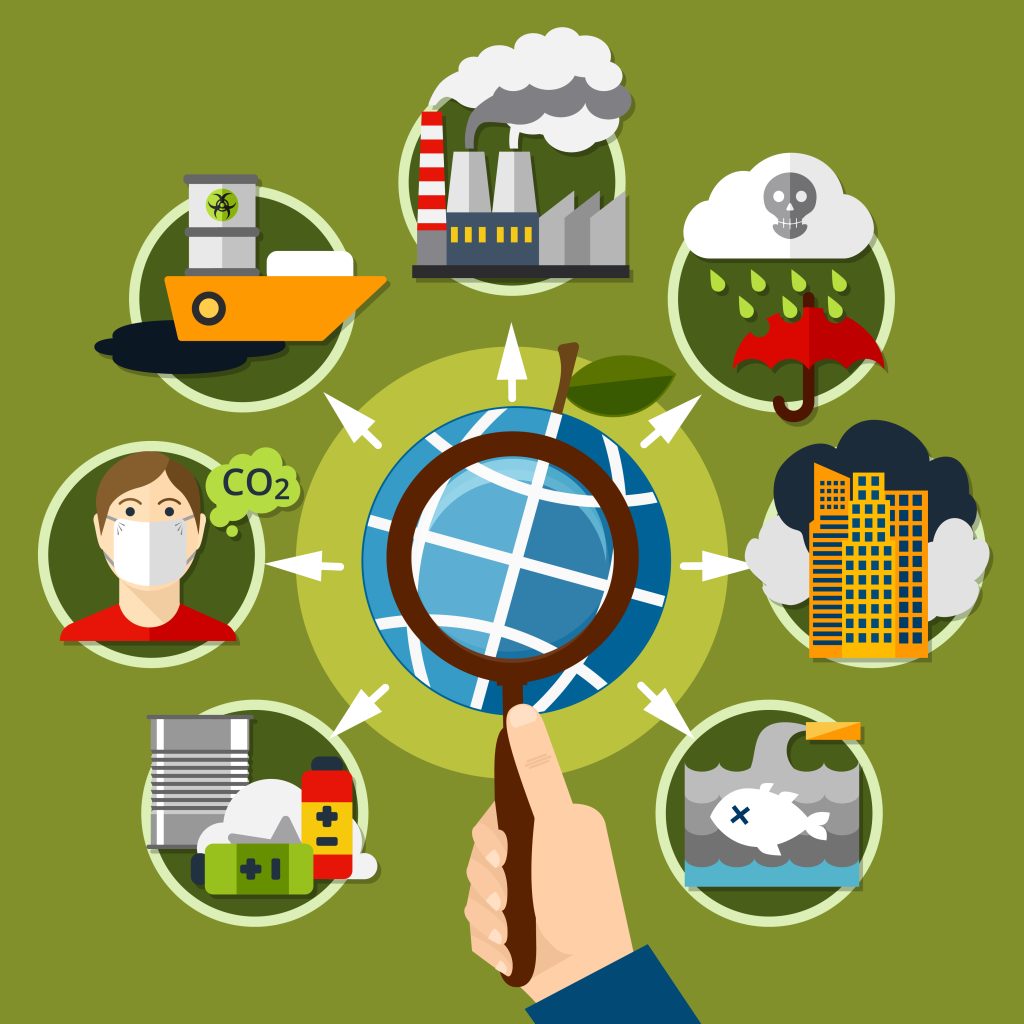
📊 Benefits of Sustainable Materials Management
Implementing SMM creates value far beyond compliance. Here are the main benefits of sustainable materials management:
🌿 Environmental Benefits
- Reduced greenhouse gas emissions
- Conservation of water and energy
- Less waste to landfills and incineration
💰 Economic Benefits
- Lower material and waste disposal costs
- Increased efficiency and reduced production downtime
- Access to new markets for recycled or sustainable products
🌱 Social & Brand Benefits
- Improved corporate reputation
- Stronger relationships with stakeholders and communities
- Attraction of environmentally conscious consumers and talent
🛠️ How to Implement Sustainable Materials Management
Businesses often wonder how to implement sustainable materials management practically. Here’s how:
✅ Assess lifecycle impact: Use tools to evaluate environmental impact from sourcing to disposal.
✅ Partner with sustainable supply chain consulting: Specialists help identify improvement areas.
✅ Redesign products: Create products that are easier to recycle or made from eco-friendly materials.
✅ Invest in technology: Adopt data analytics for materials lifecycle management.
✅ Train teams: Build sustainability awareness across departments.
Successful companies also use sustainable materials management solutions to track performance and refine strategies.
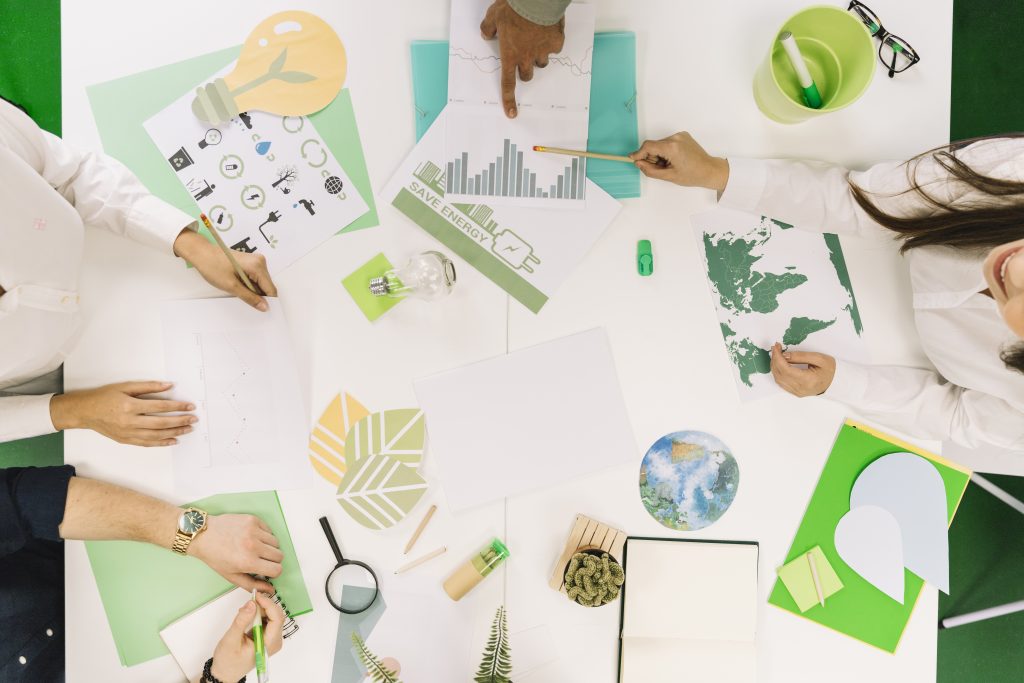
📦 Examples of Sustainable Materials Management in Business
Real-world examples bring these concepts to life:
- IKEA: Uses more recycled and renewable materials; aims to be fully circular by 2030.
- Patagonia: Incorporates recycled polyester and offers repairs to extend product life.
- Unilever: Reduced packaging waste and shifted to biodegradable materials.
These cases show how SMM can drive innovation, brand loyalty, and cost savings simultaneously.
🔍 Sustainable Materials Management vs Traditional Waste Management
Traditional waste management focuses on treating waste after it’s created. This reactive approach often results in landfill use or incineration.
By contrast, sustainable materials management proactively prevents waste and keeps resources circulating in the economy longer. This shift from “end-of-pipe” to “lifecycle thinking” delivers better environmental, economic, and social outcomes.
💼 The Role of SMM in Sustainable Supply Chains
Integrating SMM into the supply chain isn’t just good for the planet — it’s smart business:
- Lowers risk of supply disruptions tied to resource scarcity
- Meets rising consumer and regulatory demands
- Improves resilience to economic shocks
Forward-looking companies embed SMM into green supply chain strategies and train staff through programs like Post Graduate Diploma in Material Management to ensure consistent execution.
🎓 Why Learn Sustainable Materials Management?
For professionals, mastering SMM opens doors in supply chain, sustainability, and operations roles. Programs like a Post Graduate Diploma in Material Management equip you to:
- Apply eco-friendly materials sourcing strategies
- Use data tools for materials lifecycle management
- Lead sustainable supply chain practices
- Design recycling and reuse strategies
These skills are in demand across industries from manufacturing to retail, logistics, and consulting.
📈 Future of SMM: Innovation & Circular Economy
SMM is evolving with AI, IoT, and blockchain, enabling:
- Real-time tracking of material flows
- Predictive maintenance to reduce waste
- Better transparency across the supply chain
The future lies in the circular economy, where waste becomes a resource, powered by sustainable materials management solutions and informed professionals.
✅ Final Thoughts
Sustainable materials management is reshaping industries — from product design to end-of-life. Its holistic approach creates value by:
- Conserving resources
- Lowering costs
- Boosting brand trust
- Supporting environmental goals
Whether you’re a business owner, analyst, or student, understanding SMM isn’t just a career advantage — it’s essential for building a sustainable future.