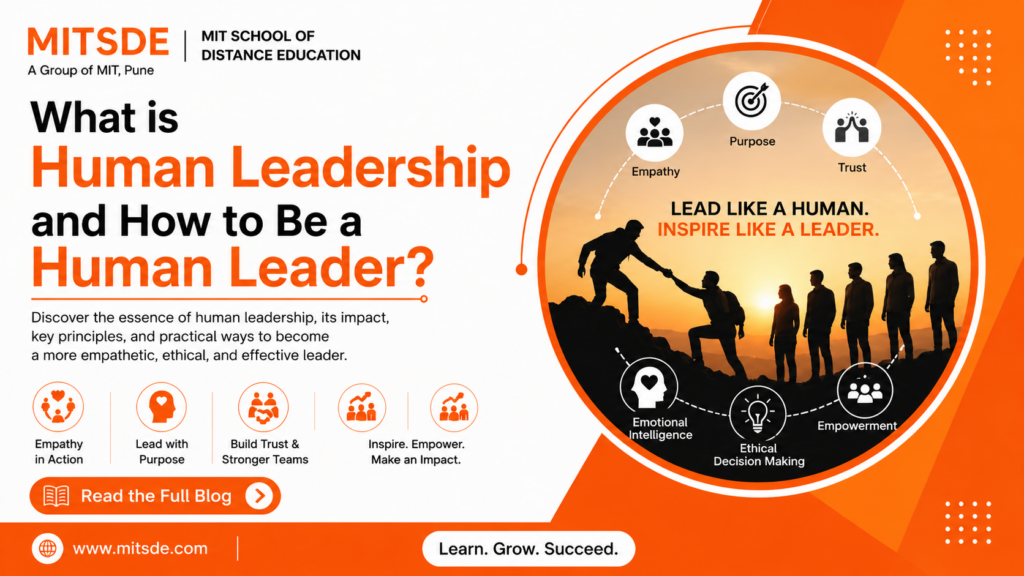
Human leadership means putting people first leading with empathy, respect, open-mindedness, and freedom of expression, rather than purely results-driven management. A Gartner survey of 34,000 employees found only 29% feel their leader is genuinely a “human leader,” highlighting a significant gap between how leaders see themselves and how employees experience them.
Table of Contents
- What Does Leadership Mean?
- What is a Human Leader?
- 7 Tips to Be an Effective Human Leader
- Why This Matters for HR Professionals
- FAQs
What Does Leadership Mean?
Leadership refers to the set of characteristics that make a good leader — derived from “to lead,” meaning to guide others, especially by going in advance. In an organization, a leader is someone employees or colleagues look up to for guidance and direction. Being human-centric is an essential quality in any effective leader.
What is a Human Leader?
Human leadership means putting people first — having empathy and understanding for employees or colleagues. Respect, freedom of expression, and open-mindedness are core traits of a human leader.
A Gartner survey of 34,000 employees found that only 29% feel their leader embodies genuine human leadership — revealing a substantial gap most organizations need to address.
7 Tips to Be an Effective Human Leader
1. Training
Many people are promoted to leadership roles based on individual performance rather than people-management skills, leaving them without exposure to empathetic leadership. HR managers should conduct training and development programs that instill a people-first approach across the organization.
2. Focus on the Team
Team success requires everyone working in harmony. Communicating, motivating, and including every team member in strategy formulation builds trust and inclusivity, motivating employees to perform better.
3. Communication
Open dialogue and engagement with employee ideas and opinions are crucial for satisfaction. Highly engaged employees can meaningfully improve their team’s performance — a significant boost to overall organizational output.
4. Feedback
Conducting surveys about leadership style, employee satisfaction, and team productivity gives managers a clear picture of their leadership effectiveness. Being open to feedback, accepting criticism, and encouraging honesty are essential.
5. Empathy
Understanding changing personal and professional dynamics, and accepting people for who they are, is important for a healthy work atmosphere. Supporting people through difficult times helps managers better understand what affects productivity.
6. Accountability
Giving employees autonomy and authority — rather than micromanaging — builds a sense of accountability and responsibility that motivates them to perform better.
7. Recognition
Giving employees due credit for their contributions is one of the most important motivational factors. Recognition shows employees they are valued and their work is acknowledged.
Why This Matters for HR Professionals
Humans in Human Resources are people with their own emotions, thoughts, and ideas. Identifying strengths in each employee, motivating them, helping them achieve personal goals, and fostering a free, open environment through regular communication and empathy make a true difference. Understanding “the human” is essential to becoming a humane leader.
MITSDE addresses this exact skills gap through programs like the PGDM in Human Resource Management and PGDM (Executive) in Human Capital Management — allowing HR managers and professionals to upskill without leaving their jobs. These courses cover HR fundamentals, analytical skills, international HR practices, and the latest trends in E-HRM.
FAQ's
-
1. What is human leadership?
Human leadership means putting people first through empathy, respect, open-mindedness, and freedom of expression — prioritizing genuine understanding of employees over purely results-driven management.
-
2. How common is human leadership in organizations today?
According to a Gartner survey of 34,000 employees, only 29% feel their leader genuinely embodies human leadership qualities.
-
3. What are the key traits of a human leader?
Empathy, respect, open communication, accountability, recognition, and a genuine focus on team well-being and inclusion.
-
4. How can managers become better human leaders?
Through training in people-management skills, focusing on team inclusion, open communication, seeking feedback, practicing empathy, granting autonomy, and recognizing contributions.
-
5. Why is human leadership especially important in HR?
HR professionals work directly with people's emotions, thoughts, and career growth — making empathetic, human-centric leadership essential to effective HR management.
-
6. What courses help build human leadership skills for HR professionals?
Programs like MITSDE's PGDM in Human Resource Management and PGDM (Executive) in Human Capital Management build these skills alongside core HR expertise.