Everyone enjoys a good laugh, a chuckle, or even a smile once in a while. This is what marketers currently resort to time and again. A humorous piece of marketing communication attracts the audience & the desired attention.
This is why, marketers today, prefer meme marketing to build a connection with their audience.
A meme is defined by the Oxford Language dictionary as an image, video, piece of text, etc., typically humorous in nature, that is copied and spread rapidly by internet users, often with slight variations.
Thus, marketers use memes to promote the brand, pass on any information about its products or services or build a connection & followers for the brand.
Whatever may be the intention, meme marketing is widely used by marketers as a part of their digital marketing strategies around the world and is very popular among netizens.
Let’s take a look at a few examples-
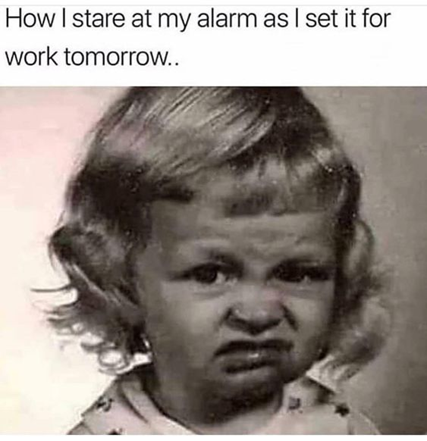
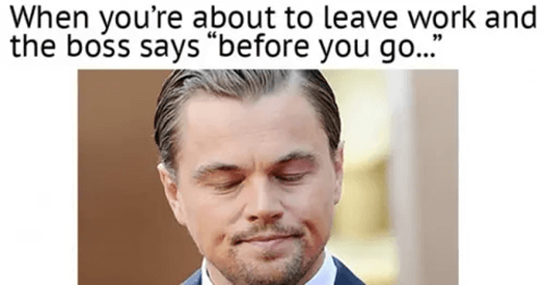
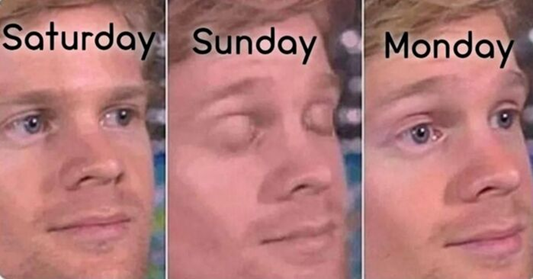
They capture the pulse of the audience which makes them popular and easily acceptable.
How to make effective use of meme marketing?
- Cost efficient – It does not take a lot of money or time investment in creating memes. Any image or video can be converted into a meme. This saves the time of creating original content.
- Relevancy – Despite the popularity, markets need to keep in mind that one size does not fit all. Hence, they need to understand the audience they cater to and the relevance of the meme to their audience. Any meme that may seem out of place has a negative impact on the brand image.
- Sentiments – While humour is the spice of life, it is vital to make sure that it does not hurt the sentiments of anyone. Especially brands need to be careful of the kind of memes they post and the possibility of it being hurtful to any person of any gender, ethnicity, or demography.
- Time – As a part of the moment marketing timing is very important. If the meme is based on any event or piece of news, then posting it at its peak is crucial. Strike the iron while it is hot! This maintains the relevancy of the topic and appeals greatly to the audience.
- Engagement – Try to keep the memes as engaging and relevant as possible. Keep them short and to the point. Use language that is easy to understand and the tonality consistent with your brand. This helps in better association with the brand and the audience can easily identify the brand.
- Localization – Just like relevancy, localizing or making the meme appeal to the target audience through the use of local slang or customizing the jokes to suit the audience in the targeted geography helps in better understanding and association with the brand & its communication.
- Limit the usage – Even though meme marketing is the ‘cool’ way of marketing, frequent use of memes is not recommended. Since memes do not come with a CTA, meaning, they are created for generating traction and not sales, they are mere supplements in marketing communication.
Meme marketing focuses on maintaining the relevance of the brand, generating traction & traffic on their pages, increasing the views, likes or shares and commenting on any latest happenings.
However, if you are a marketer who is not very well-versed with digital marketing or social media marketing language, it is crucial to study it in depth and learn the relevant skills to become a digital marketer.
MIT School of Distance Education (MITSDE) is one such institute that understands the current skills gap in the market and strives hard to reduce it. For this purpose, MITSDE brings to you PG Certification in Digital Marketing (PGCM Digital Marketing). This course in digital marketing covers the latest concepts in online marketing, gives hands-on training on the latest tools, and teaches you to create a virtual brand, analyze market trends, and design campaigns.